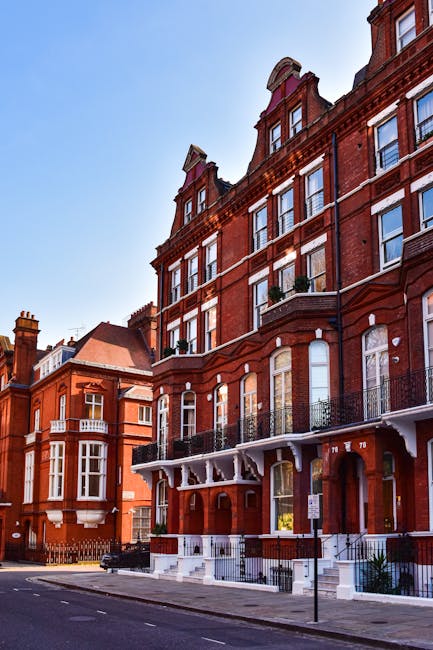
Emergency flat cleans in Marylebone after tenancy disputes
When a tenancy ends badly, the flat can feel like a problem before it feels like a home again. There may be dust everywhere, missed bins, marks on walls, or a dispute about what counts as "clean enough". In those moments, Emergency flat cleans in Marylebone after tenancy disputes are less about fuss and more about getting control back quickly. You want the place presentable, documented, and ready for inspection, handover, reletting, or a calm conversation with a landlord or agent.
Marylebone flats come with their own quirks too: compact kitchens, shared hallways, period features, fitted appliances, and high expectations from managing agents. This guide breaks down what emergency cleaning really involves, how to approach it under pressure, and how to avoid the sort of mistakes that turn a dispute into a bigger headache. If you need a broader view of the cleaning landscape first, our services overview is a useful place to start.
Truth be told, the best outcome is not just "clean". It is clean with evidence. That means attention to detail, a sensible plan, and the kind of finish that stands up to scrutiny when people are already looking for reasons to argue.
Table of Contents
- Why emergency flat cleans matter after tenancy disputes
- How an emergency flat clean works in Marylebone
- Key benefits and practical advantages
- Who this is for and when it makes sense
- Step-by-step guidance
- Expert tips for better results
- Common mistakes to avoid
- Tools, resources and recommendations
- Law, compliance and best practice
- Options, methods and comparison table
- Case study or real-world example
- Practical checklist
- Conclusion
- Frequently asked questions
Why Emergency flat cleans in Marylebone after tenancy disputes Matters
A tenancy dispute often turns on details. Was the oven actually cleaned? Were limescale and grease removed? Were carpets vacuumed and spot-treated? Did the tenant leave the flat in a reasonable state, or did the landlord expect a deeper finish than the tenancy allowed? These questions are ordinary enough, but in practice they can decide whether a deposit conversation stays civil or becomes a long back-and-forth.
In Marylebone, where flats are often let at a premium and managed by agents who expect a polished standard, delay can make everything harder. A flat that sits dirty for days may develop odours, set-in marks, and extra stress for everyone involved. And if one party is already irritated, a visible mess can become symbolic. Strange, but true.
An emergency clean helps by removing the emotional heat from the room. Once surfaces are tidy, bathrooms are sanitised, and floors are restored, people can focus on the real issue instead of arguing over clutter and crumbs. That does not solve a contract dispute by itself, of course, but it often changes the tone of the whole situation.
It also matters for practical reasons:
- the property may need to be photographed for a check-out report
- a new tenant may be waiting to move in the same day
- the landlord may want to minimise vacancy time
- the tenant may want to show good faith after a disagreement
- the agent may need a neutral, documented cleaning result
If the dispute has already escalated, it is often sensible to keep records, keep messages calm, and get the cleaning done promptly. For readers who want to understand how local standards are usually discussed, our article on W1 postcode cleaning standards in Marylebone houses gives helpful local context.
How Emergency flat cleans in Marylebone after tenancy disputes Works
An emergency flat clean is a prioritised, time-sensitive cleaning visit designed to restore a property quickly after a dispute, failed handover, or abrupt end-of-tenancy situation. It is not just a rushed tidy. Done properly, it is a targeted clean with the areas of highest concern handled first.
The process usually begins with a short assessment. You identify what is urgent, what is visible, and what is likely to cause disagreement. The cleaner then works in a logical order so the flat starts to look better fast. Kitchen and bathroom usually come first because they carry the most evidence of use. Floors, touchpoints, skirting boards, internal glass, and dust-heavy areas follow.
In a Marylebone flat, space is often tight, so timing and sequencing matter more than in a larger house. If you have limited access, a narrow hallway, or difficult parking, that needs to be planned in advance. A good emergency clean can still be done efficiently, but the more access friction there is, the less "emergency" and more "logistical puzzle" it becomes.
Most emergency cleans include some combination of:
- kitchen degreasing and appliance exterior cleaning
- bathroom scrubbing and sanitising
- vacuuming and mopping
- dust removal from reachable surfaces
- spot treatment of marks on walls or skirting
- bin emptying and odour reduction
- window ledge and sill cleaning
- light switch and handle wipe-downs
Sometimes a more detailed approach is needed. For example, if there is built-up grease around the hob, grime in shower grout, or heavy carpet marking, the cleaner may recommend a more intensive visit such as deep cleaning in Marylebone or a targeted add-on like carpet cleaning Marylebone. That is not upselling for the sake of it; it is simply matching the work to the actual state of the flat.
One small but useful point: emergency work often succeeds or fails on communication. If the dispute is about a specific stain or missed room, say so plainly. The cleaner cannot fix what they are not told about, and everyone wastes time if they are left guessing.
Key Benefits and Practical Advantages
The obvious benefit is speed. But speed alone does not make this kind of cleaning valuable. The real advantage is that it helps you present the flat in a way that reduces friction and gives both sides a fairer basis for discussion.
Here is what strong emergency cleaning can do in practice:
- Reduce escalation: a visibly improved flat is harder to argue about than a messy one.
- Support deposit discussions: a better condition record can help with cleaning-related disputes.
- Protect the next move: new occupants, landlords, or agents can proceed without delay.
- Improve air quality and smell: stale odours often make a property feel worse than it is.
- Highlight what is genuine damage: once the cleaning is done, actual damage becomes easier to identify.
There is also a psychological benefit that people underestimate. A disputed tenancy can leave both sides tense and a bit defensive. When the flat is cleaned thoroughly, the atmosphere changes. It feels less like a battleground, more like a property with a process again. That matters, especially in a place where people live fast and move quickly.
For landlords and agents, a prompt clean can help protect the letting timeline. For tenants, it can show responsibility even if the relationship has become awkward. For everyone, it limits the chance of one dirty sink becoming the centre of a bigger row. Small thing, maybe. But it adds up.
Who This Is For and When It Makes Sense
This service is a good fit for a few very specific situations, and it is worth being honest about whether your case is truly urgent. Not every end-of-tenancy issue needs same-day cleaning, but some do.
You may need an emergency flat clean if:
- the tenancy ended suddenly and the flat was left in poor condition
- the landlord or letting agent has rejected the check-out condition
- you need a neutral, fast clean before inventory or photos
- the property has been partly cleared but still looks untidy
- there is a strong smell from bins, food residue, or wet areas
- you need to reset the flat before a re-let or viewing
- the original cleaner did not show up, and time is now tight
It also makes sense for shared flats, furnished rentals, and short-let style properties where the handover window is small. In Marylebone, that includes plenty of flats near transport links and busy residential streets where there is often very little breathing room between one occupant leaving and the next arriving. If you are unsure what type of clean fits your situation, our end of tenancy cleaning Marylebone page is the best related service overview.
To be fair, sometimes the answer is not just cleaning. If there is damaged flooring, broken fixtures, or waste left behind, cleaning may need to be paired with clearance or repair coordination. That is why it helps to assess the full picture before booking anything at all.
Step-by-Step Guidance
If you are dealing with a disputed tenancy, a calm sequence beats panic every time. Here is a practical way to handle it.
- Take clear photos first. Before anything is moved or cleaned, document the state of each room. Keep the images simple and time-stamped if possible.
- List the disputed areas. Focus on the places the landlord or tenant is likely to challenge: kitchen appliances, bathroom fixtures, carpets, mould spots, windows, and hidden corners.
- Separate cleaning from damage. Cleaning can remove dirt and residue, but it will not fix chips, burns, broken fittings, or worn materials. Keep those issues distinct.
- Choose the right service level. A light clean may be enough for some flats, but post-dispute properties usually need a more detailed approach.
- Confirm access and timing. Make sure keys, entry instructions, parking details, and building rules are sorted before the team arrives.
- Prioritise visible problem areas. Kitchens, bathrooms, hallways, and flooring are usually the first things people notice.
- Inspect before handover. Do a final walk-through with the cleaned property. If something still looks off, say so immediately.
If bulky items are part of the problem, you may also need to deal with leftover furniture, broken chairs, or bags of mixed clutter. Our guide to bulky waste after a Marylebone clearance is useful for sorting that side of the job without making a mess of the rest of the flat.
A quick reality check helps here. If you only have two hours and the flat needs a serious reset, you are not aiming for perfection. You are aiming for the best possible outcome in the time available. That is a very different thing.
Expert Tips for Better Results
Experience teaches a few things that people only notice after the first stressful handover.
1. Start where the argument will happen. If the dispute is about the kitchen, do not leave it until last. Visible progress in the disputed area can change the mood very quickly.
2. Don't rely on fragrance to cover dirt. A pleasant smell is nice, but it will not fool anyone for long. Strong deodoriser on top of grime often makes matters worse. Clean the source, then freshen the room lightly.
3. Photograph after cleaning too. Before-and-after images are genuinely useful. Not dramatic, not theatrical. Just clear records.
4. Use the right treatment for the right surface. Laminate, quartz, tiled grout, painted wood, and natural stone all behave differently. Aggressive products can create new issues. A competent cleaner knows this, but it is still worth flagging delicate finishes.
5. Keep communication calm and factual. "The hob still has residue" is better than "this is a disgrace". One gets action; the other gets a defensive reply.
6. Decide whether you need add-ons. Upholstery, mattresses, or carpets may need targeted work if they are part of the dispute. Our upholstery cleaning Marylebone page is relevant where soft furnishings are involved.
7. Allow a little margin for access chaos. London flats have a knack for being awkward at the worst possible moment. A lift out of service, a locked side gate, a missing key fob... it happens.
One more thing: if you are booking in a rush, ask what the team considers part of the emergency scope. A clear conversation now saves a slightly embarrassing "oh, we thought that room was excluded" later.
Common Mistakes to Avoid
Tenancy disputes tend to expose rushed decisions. The same mistakes crop up again and again.
- Cleaning without documenting: if you do not record the condition first, it is harder to defend your position later.
- Hiding damage under dirt: this only creates a worse dispute once the property is inspected.
- Booking the wrong type of clean: a standard tidy is not the same as a post-dispute deep reset.
- Ignoring hidden areas: behind bins, under appliances, around taps, and inside cupboards are exactly where disagreements start.
- Using harsh products on delicate finishes: this can leave permanent marks or dullness.
- Forgetting building rules: some Marylebone blocks have access limits, lift protection rules, or narrow time windows for contractors.
- Leaving waste behind: bags, broken items, and random leftovers make a clean look unfinished.
Another quiet mistake is underestimating timing. People often think, "It only needs a quick clean." Then they look at the oven, shower screen, skirting boards, and the patch beside the radiator, and suddenly the clock feels very different. Happens all the time.
If you want a broader practical angle on day-to-day flat upkeep in the area, our post on cleaning tips for Marylebone High Street flats offers some helpful local context, especially for compact urban layouts.
Tools, Resources and Recommendations
You do not need a suitcase of equipment to handle a lot of this well, but the right tools matter. For a proper emergency clean, professionals normally rely on a mix of:
- microfibre cloths for dust and smear removal
- non-abrasive bathroom and kitchen cleaners
- degreasing products for hobs, extractor areas, and splashbacks
- vacuum tools suitable for edges and upholstery
- mops and floor-safe solutions for hard flooring
- spot-treatment products for carpets and fabric upholstery
- protective gloves and safe handling materials
For many people, the best resource is not a gadget but a clear plan. Decide what absolutely must be finished, what can be improved, and what is outside the scope of a same-day visit. That kind of clarity saves money and stress.
If you are comparing service levels, these pages may help:
- one-off cleaning in Marylebone for a single visit without an ongoing contract
- deep cleaning Marylebone for more intensive detailing
- carpet cleaning Marylebone for marked or heavily used flooring
- house cleaning Marylebone if the property needs a broader domestic reset
If you want to understand general service options before booking, the pricing and quotes page is a practical next stop. And if you need to move quickly, the request a quote page is the simplest way to get the conversation started.
Law, Compliance, Standards, or Best Practice
Tenancy cleaning sits in a slightly awkward space: it is not usually about legal drama, but it can quickly become part of one. The safest approach is to think in terms of evidence, reasonableness, and the tenancy agreement rather than assumptions or bravado.
In the UK, the practical standard in a dispute is often whether the property was left in a condition reasonably comparable to the start of the tenancy, allowing for fair wear and tear. That phrase gets thrown around a lot, but it is not a magic shield. It does not excuse avoidable grime, and it does not let anyone charge for normal ageing as though it were damage. The specifics depend on the agreement and the facts of the case.
Best practice usually includes:
- checking the tenancy contract for cleaning clauses
- reviewing inventory and check-in condition records
- keeping photos before and after cleaning
- not confusing wear and tear with neglect
- making sure cleaning products are used safely in the property
- respecting building access rules and safety procedures
For clients who value reassurance on operational standards, our pages on insurance and safety and health and safety policy explain how safety is treated in day-to-day work. That kind of reassurance matters when people are already tense. So does a clear complaints route; if something ever needs formal follow-up, the complaints procedure gives a straightforward path.
If the flat is being handed over to a new occupant, the cleaning standard often needs to look more like a professional finish than an ordinary weekly tidy. That is especially true in Marylebone, where presentation can influence how quickly a property is accepted, marketed, or relisted. Our local guide on bespoke apartment cleaning in Marylebone speaks to that higher-expectation environment.
Options, Methods, or Comparison Table
Not every disputed flat needs the same response. Sometimes a focused tidy is enough; other times the property needs a proper reset. Here is a simple comparison to help you choose more sensibly.
| Option | Best for | Typical strengths | Limitations |
|---|---|---|---|
| Basic tidy-up | Minor mess, low-dispute situations | Fast, low effort, useful for surface-level presentation | Not enough for grease, odour, or stubborn build-up |
| Emergency flat clean | Urgent handovers, disputes, same-day or next-day needs | Prioritised, targeted, practical under pressure | May not include every specialist task unless requested |
| Deep clean | Heavier dirt, missed maintenance, more demanding inspection standards | More detailed, better for kitchens, bathrooms, and hidden grime | Takes longer and usually costs more |
| End-of-tenancy clean | Formal move-out and deposit-sensitive handovers | Structured around letting standards and inspection readiness | May still need add-ons such as carpet or upholstery care |
In many real cases, people end up combining two approaches: an emergency visit first, then a more detailed follow-up if the inspection demands it. That is perfectly normal. No need to pretend one visit solves every possible issue.
Case Study or Real-World Example
Here is a realistic example based on the sort of situation that turns up often in central London flats.
A tenant in Marylebone moved out after a disagreement about repairs and cleaning responsibility. The landlord believed the kitchen had been left badly. The tenant insisted they had cleaned "enough", but a check-out was due the following morning and the flat still had visible grease on the hob, marks around handles, and dust in the hallway. The atmosphere was already tense, and nobody wanted a long email chain at 10 o'clock at night.
The practical response was simple:
- photos were taken before any cleaning began
- the kitchen and bathroom were treated first
- floors, skirting, and touchpoints were then completed
- bin areas and odours were addressed last
- after cleaning, fresh photos were taken for the record
The result was not theatrical. The flat did not become showroom-perfect in an hour, because that would be nonsense. But it did become clearly cleaner, better presented, and easier to assess fairly. The landlord could see the difference, the tenant could show effort, and the next discussion became more focused on specific items rather than general frustration. That is often the real goal.
Marylebone properties can be unforgiving in this respect. A little dust reads as a lot under bright hallway lighting, and a small smear on a glossy surface can be surprisingly noticeable. If you know that in advance, you can clean more strategically.
Practical Checklist
Use this checklist before, during, or straight after booking an emergency clean:
- Take dated photos of each room before cleaning starts
- Note the exact disputed items or areas
- Check keys, entry instructions, and access times
- Confirm whether parking or loading restrictions apply
- Remove personal belongings and obvious rubbish where possible
- Decide if carpets, upholstery, or appliances need extra attention
- Separate damage issues from cleaning issues
- Tell the cleaner about delicate surfaces or problem stains
- Inspect the flat after the clean and before handover
- Keep all cleaning-related messages polite and factual
Key takeaway: the fastest way to defuse a tenancy dispute is not always to argue harder. Often, it is to make the flat look undeniably cared for, document the result, and keep the conversation anchored in facts.
If you are ready to move from stress to action, you can contact the team directly or go straight to a tailored quote request. Either way, the sooner the flat is back under control, the sooner the whole thing stops hanging over you.
Get a free quote today and see how much you can save.
Conclusion
Emergency flat cleans in Marylebone after tenancy disputes are really about restoring order under pressure. They help show what is genuinely clean, what still needs work, and what is actually a separate issue altogether. That distinction matters, because once emotions cool down a little, most people want the same thing: a fair, quick, professional handover.
Marylebone flats deserve a careful touch. Not overcomplicated, not overdramatic, just thorough and sensible. If you approach the clean with a plan, a few photos, and the right priorities, you give yourself a much better chance of resolving the situation without unnecessary friction. And honestly, that relief is worth a lot.
One clean room at a time. That is usually how it starts.
Frequently Asked Questions
What counts as an emergency flat clean after a tenancy dispute?
It is a fast, prioritised cleaning visit arranged when a tenancy handover has become urgent, disputed, or time-sensitive. The aim is to restore the property quickly enough for inspection, reletting, or a fairer negotiation.
How quickly can an emergency flat clean be arranged in Marylebone?
That depends on availability, access, and the size of the flat. In practice, urgent jobs are often organised as same-day or next-day requests when the schedule allows, but it is best not to assume. The sooner you enquire, the better.
Will cleaning alone solve a deposit dispute?
Not always. Cleaning can remove dirt, grease, and odours, but it will not resolve questions about damage, missing items, or contractual interpretation. It does, however, make the property condition easier to judge fairly.
Should I take photos before the clean?
Yes, absolutely. Photos before and after cleaning are one of the simplest ways to protect your position and keep the conversation factual. They are especially useful if the dispute is already tense.
Is an emergency clean the same as an end-of-tenancy clean?
They overlap, but they are not identical. An emergency clean is driven by urgency and may focus only on the most visible or disputed areas. An end-of-tenancy clean is usually more structured and broader in scope.
What areas of the flat should be prioritised first?
Kitchen and bathroom usually come first because they show dirt quickly and often trigger the strongest reactions during an inspection. Floors, touchpoints, and visible dust levels follow close behind.
Can you clean carpets and upholstery as part of the job?
Yes, if those surfaces are part of the issue and there is enough time to include them. For more stubborn marks or embedded dirt, specialist add-ons such as carpet or upholstery cleaning may be more suitable than a surface clean alone.
What if the flat also has rubbish or bulky items left behind?
Then you may need a combined approach. Cleaning helps with the presentation, but waste needs to be removed separately so the space does not still look unfinished. That is a common problem after rushed move-outs.
Are there any special considerations for Marylebone flats?
Yes. Many Marylebone properties have compact layouts, shared access points, managed buildings, and higher presentation expectations. That means timing, access, and finish quality matter more than people sometimes expect.
What should I do if the landlord says the flat is still not clean enough?
Stay calm, review the disputed points, and compare them with the before-and-after record. If there are specific issues left, address those directly rather than arguing in general terms. Precision helps more than defensiveness.
How do I choose between a quick clean and a deeper service?
If the property mainly needs presentation and basic hygiene restored, a targeted emergency clean may be enough. If there is heavy build-up, strong odour, or neglected detail, a deeper clean is usually the better choice. It depends on the actual condition, not just the clock.
Where can I find more help about local cleaning standards and services?
You can explore the wider Marylebone cleaning advice on our blog, or look at related service pages such as end of tenancy cleaning Marylebone and deep cleaning Marylebone for a more detailed overview.