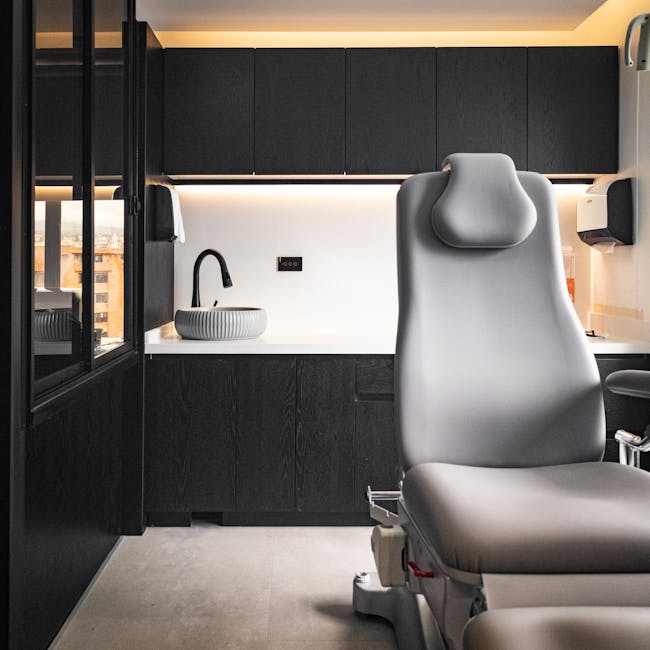
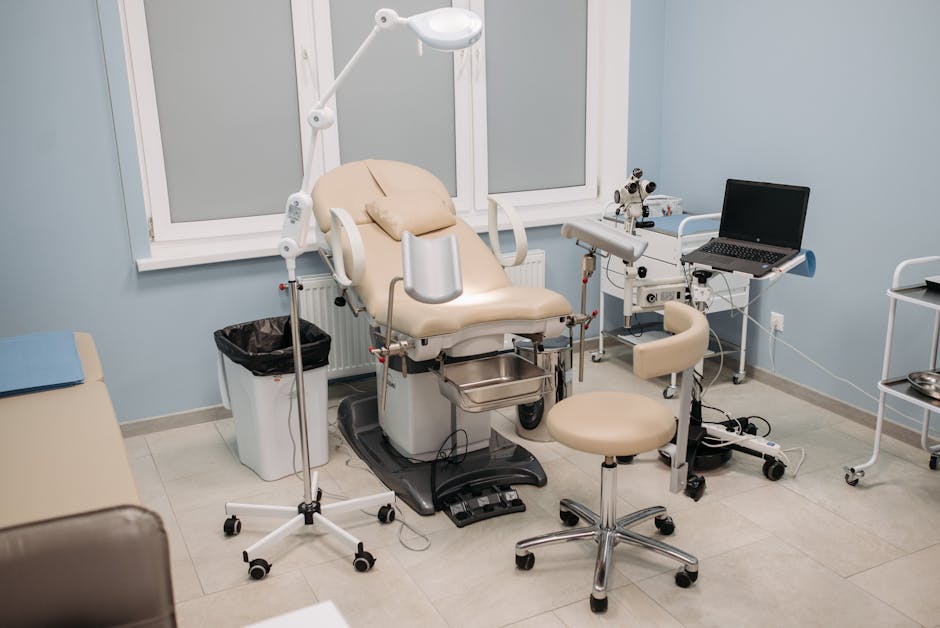
Cleaning guides for Harley Street clinics and waiting rooms
If you run or manage a Harley Street clinic, you already know the waiting room says a lot before a patient speaks to anyone. Clean upholstery, clear floors, fresh air, spotless touchpoints, it all quietly shapes trust. This guide to Cleaning guides for Harley Street clinics and waiting rooms brings together the practical side of day-to-day cleaning, the standards that matter in a clinical setting, and the little details that make the space feel calm rather than just tidy.
Truth be told, a lot of cleaning advice online is written for generic offices. That is not enough here. Waiting rooms need a different rhythm: careful disinfection, low-disruption routines, attention to fabrics, and a cleaning plan that respects patients, staff, and sensitive equipment. Below, you will find a clear, real-world approach that is useful whether you oversee a private medical practice, aesthetic clinic, dental suite, therapist's room, or a shared reception area in Marylebone.
For readers who want to explore the wider service background, it can help to look at the full overview of cleaning services in Marylebone alongside this guide. You may also find the company's health and safety policy and insurance and safety information useful when comparing providers. They are the kinds of pages people often skip, then wish they had not.
Table of Contents
- Why Cleaning guides for Harley Street clinics and waiting rooms Matters
- How Cleaning guides for Harley Street clinics and waiting rooms Works
- Key Benefits and Practical Advantages
- Who This Is For and When It Makes Sense
- Step-by-Step Guidance
- Expert Tips for Better Results
- Common Mistakes to Avoid
- Tools, Resources and Recommendations
- Law, Compliance, Standards, or Best Practice
- Options, Methods, or Comparison Table
- Case Study or Real-World Example
- Practical Checklist
- Conclusion
- Frequently Asked Questions
Why Cleaning guides for Harley Street clinics and waiting rooms Matters
Harley Street has a reputation to protect. That matters even if your clinic is small, discreet, or hidden behind a very ordinary-looking doorway. Patients notice more than you might think: fingerprints on glass, dust along skirting boards, a stale scent in a waiting room, or a chair arm that looks a bit tired. These details do not just affect appearances. They affect confidence.
In clinical settings, cleaning is also about reducing cross-contamination risk and supporting good hygiene practices. A waiting room is a shared environment; people arrive with coats, phones, umbrellas, takeaway coffee cups, and sometimes worry. The space needs to feel sanitary and orderly without becoming cold or sterile. That balance is harder than it sounds.
There is another side to it too: staff morale. Reception teams work better in a place that feels cared for. Patients are usually calmer in a room that smells fresh, looks bright, and is easy to navigate. If you are running a practice in Marylebone, that calm professionalism can become part of your brand. Not flashy. Just reliable. And honestly, reliability wins more often than people admit.
Expert takeaway: in a Harley Street clinic, cleaning is not just housekeeping. It is part of patient experience, infection control support, and brand trust, all at once.
If you are comparing local service options, the area context can matter as well. A practice near busy routes or in a mixed-use building may need more frequent reception cleaning than a quieter upper-floor consult suite. For a broader sense of the local setting, you might also enjoy this readable piece on the atmosphere of Marylebone London and this guide to whether Marylebone is a good place to live and work.
How Cleaning guides for Harley Street clinics and waiting rooms Works
A good clinic cleaning routine is usually built in layers. You start with visible cleanliness, then move to high-touch hygiene, then to deeper scheduled work that keeps the environment stable over time. In simple terms: the room must look clean, feel clean, and be maintained clean between patient visits.
The workflow typically begins with a site walk-through. This is where a cleaner or supervisor identifies the areas that matter most: reception desk, door handles, armrests, magazines, bins, bathroom access, floor type, flooring transitions, and any upholstered seating. A clinic with hard flooring and minimal soft furnishings is a different job from a waiting room full of fabric chairs, rugs, and shared surfaces.
Then comes the timing question. In many clinics, the best cleaning model is a mixture of early-morning, between-session, and end-of-day cleaning. Morning work handles dust and reset. Mid-day touchpoint cleaning keeps the environment presentable. Evening cleaning clears the day's build-up and prepares the room for tomorrow. Simple, but effective.
There is also product choice. In non-clinical waiting areas, you may need more general-purpose cleaning products alongside disinfectants for specific touchpoints. For sensitive spaces, the cleaner should use products that are suitable for the surface and consistent with the practice's own policies. Overusing strong chemicals can leave odours, damage finishes, or create avoidable irritation. A room that smells like a swimming pool is rarely reassuring. Let's face it.
Finally, there is record-keeping. In professional settings, a cleaning plan, checklist, or sign-off sheet creates accountability. It is not bureaucracy for its own sake. It helps managers know what was done, when, and by whom, which is useful if a patient complaint, inspection query, or supplier issue comes up later.
Key Benefits and Practical Advantages
The most obvious benefit is presentation. A well-cleaned waiting room looks quieter, calmer, and more expensive in the best possible sense. That matters on Harley Street, where people often arrive with high expectations and a keen eye for detail.
But the practical benefits go beyond appearances:
- Better first impressions for new and returning patients
- Reduced build-up of dust and allergens in shared spaces
- Cleaner touchpoints such as handles, switches, and reception counters
- Longer life for furniture and flooring through proper maintenance
- Fewer complaints about odour, dirt, or untidy facilities
- More confident staff who are not constantly tidying around avoidable mess
There is also a commercial angle. A practice that feels well managed is easier to trust, and trust matters in private healthcare. Patients may not be able to judge the quality of clinical care from the reception area alone, of course, but they absolutely judge the professionalism of the whole environment. It is human nature.
Another advantage is predictability. A structured cleaning plan prevents the "we will get to it later" problem that often turns into a bigger issue. A coffee ring on a side table becomes a stain. Dust under chairs becomes a visible layer. A bin that should have been emptied becomes part of the room's smell. None of this is dramatic, but it all adds up.
For clinics with fabric seating, a linked service such as professional upholstery cleaning in Marylebone can be especially helpful. In higher-traffic settings, you may also want to look at carpet cleaning support for entrance mats and waiting-room flooring.
Who This Is For and When It Makes Sense
This guide is for anyone responsible for keeping a Harley Street clinic or waiting room presentable and hygienic. That includes practice managers, reception supervisors, clinic owners, facilities teams, and medical professionals who handle the day-to-day running of a small private practice. It also applies to therapists, dermatology clinics, cosmetic treatment rooms, physiotherapy suites, and consulting practices that share reception space with other tenants.
It makes sense to use a more formal cleaning guide when:
- patient footfall is steady throughout the day
- the waiting area includes upholstery, carpets, or shared magazines
- your practice sits in a shared building with public access areas
- you receive regular patient feedback about presentation
- you need cleaning to happen around appointments without disruption
- you want consistent standards across different staff members or shifts
Sometimes people assume a waiting room is "just one room," so it can be handled casually. In reality, it is often the most visible part of the whole practice. The treatment room may be private. The waiting room is public. Very different pressure.
If your premises are part of a larger Marylebone office-style building, you may also benefit from comparing the cleaning approach used for offices, since some operational principles overlap. This is where a broader office cleaning service in Marylebone can inform scheduling, while still keeping clinical priorities front and centre.
Step-by-Step Guidance
A strong clinic cleaning routine is easier to manage when broken down into repeatable steps. Here is a practical version that works for many smaller and mid-sized Harley Street practices.
1. Start with a room-by-room assessment
List every zone that needs attention: entrance, reception desk, waiting chairs, side tables, magazines, door handles, light switches, bathroom access, floors, glass panels, and bin stations. It sounds obvious, but in practice people often forget low-level surfaces and corners where dust builds up.
2. Separate daily tasks from deep-clean tasks
Not every job should happen every day. Daily cleaning should focus on visible order and high-touch hygiene. Weekly or scheduled deep cleaning should handle harder-to-reach areas, floor detailing, skirting, chair bases, and items that need more time. That separation keeps the routine realistic.
3. Clean from top to bottom, then left to right
That old-fashioned logic still works. Dust and debris fall downwards, so there is no point polishing a surface and then wiping dust from a shelf above it. Clean higher surfaces first, then lower ones, then floors last.
4. Prioritise high-touch points
Reception counters, card machines, lift buttons, door handles, armrests, taps, and light switches should be cleaned with special care. These are the places people touch repeatedly, often without thinking. Small surfaces, big importance.
5. Pay attention to smell and air quality
Waiting rooms should smell clean rather than perfumed. Heavy fragrances can make patients uncomfortable, especially in healthcare settings. Ventilation, fresh air, waste removal, and the right cleaning products matter more than over-scenting the room.
6. Finish with visual checks
Before the room is handed back, check the small things: streaks on glass, crumbs between chairs, dust on skirting, fingerprints around switches, and any items that look out of place. A final look from the doorway is often revealing. Funny thing, that angle catches more than you expect.
If you are working with a supplier, ask whether they can provide a structured plan through their services overview and whether pricing is explained clearly on their pricing and quotes page. Clarity at the start saves awkward conversations later.
Expert Tips for Better Results
One of the biggest mistakes clinics make is treating cleaning like a background task rather than part of operations. The best results usually come from a little more thought up front. Nothing too fancy. Just proper planning.
Use a consistent cleaning language. If one person says "wipe down" and another says "disinfect," the team may not actually mean the same thing. Create a short internal checklist with plain wording so everyone understands what is expected.
Keep separate tools for different zones. A waiting room needs its own cloths, mops, and product set. You do not want tools drifting between reception, bathroom, and treatment areas. That kind of mix-up is easy to avoid when the system is clear.
Choose materials that are easy to maintain. If you are refurbishing, consider chairs and finishes that can be wiped down without fuss. Some very beautiful fabrics are a nightmare in day-to-day use. They look wonderful on day one, then reality turns up.
Schedule work around patient flow. In quieter clinics, a brief mid-afternoon reset can be enough. In busier practices, you may need more frequent touchpoint cleaning. The right schedule depends on actual use, not theory.
Watch for hidden maintenance issues. Marks that keep returning, odours that linger, or a dusty corner that never seems to stay clean may point to a ventilation, flooring, or layout problem rather than a cleaning failure. Worth checking.
Document special requirements. If a consultant prefers certain products around equipment or a patient-access area needs fragrance-free cleaning, note it. Small preferences matter in premium healthcare settings.
If you want to see how local service providers present themselves online, a look through the about us page can be helpful, as can the company's accessibility statement if you want to understand how they think about inclusive service delivery.
Common Mistakes to Avoid
Even well-run clinics can trip over a few recurring issues. The good news is that most of them are very fixable.
- Using the wrong product on the wrong surface. Glass, fabric, wood, vinyl, and medical-grade finishes do not all react the same way.
- Ignoring the waiting room because treatment rooms get the attention. Patients see the waiting room first. It sets the tone.
- Cleaning only what is visible. Dust behind chairs, under tables, or along edges makes the room feel less cared for.
- Over-fragrancing the space. Strong scents can feel masking rather than clean.
- Failing to define who does what. Reception staff, cleaners, and managers may each assume someone else is handling a job.
- Letting upholstery and carpets become reactive jobs only. Once stains set in, the result is harder to fix and more expensive to manage.
- Skipping quality checks. A five-minute review can prevent a day's worth of small complaints.
There is also a softer mistake: assuming the clinic will always look "fine enough" because it was fine yesterday. Cleaning standards drift quietly. That is just how shared spaces work. One missed afternoon can become two, then three. Before long, everyone has simply adapted to the lower bar.
Tools, Resources and Recommendations
The right tools make clinic cleaning safer, faster, and more consistent. You do not need a warehouse of equipment. You do need the basics to be well chosen and maintained.
| Tool or resource | Best use | Why it helps |
|---|---|---|
| Microfibre cloths | Reception surfaces, glass, desk edges | Pick up dust effectively and reduce streaking |
| Dedicated colour-coded cloths | Separating clinical, bathroom, and public areas | Helps reduce cross-use mistakes |
| HEPA-filter vacuum | Carpets, corners, upholstery surrounds | Supports better dust capture in shared spaces |
| Neutral cleaning solution | General hard surfaces | Useful for routine cleaning without heavy residue |
| Approved disinfectant | Touchpoints and high-contact areas | Supports hygiene where it is specifically needed |
| Cleaning checklist | Daily sign-off and accountability | Keeps standards consistent between shifts |
Other useful resources include simple room maps, product safety data, and a short escalation process for spills, stains, or breakages. In a clinic, speed matters. If a drink is spilled on upholstery at 8:45 a.m., waiting until the end of the day is not always realistic.
For practices that want a deeper clean on a planned schedule, a dedicated one-off cleaning service can be useful before a reopening, renovation, or busy period. If the space includes soft furnishings, the related upholstery care option can help keep seating looking respectable for longer.
Law, Compliance, Standards, or Best Practice
Clinic cleaning sits close to health and safety, so it should be handled carefully. You do not need to turn a waiting room into a laboratory, but you do need procedures that support safe, sensible hygiene. In the UK, duty of care, workplace safety, product safety, and infection prevention expectations all tend to overlap in practice.
Best practice usually includes:
- clear written cleaning responsibilities
- safe storage and labelling of products
- training for anyone handling cleaning tasks
- risk awareness for spills, slips, and chemical exposure
- routine review of cleaning frequency based on actual use
- attention to accessibility and patient comfort
For healthcare-adjacent spaces, it is wise to align cleaning routines with the needs of the practice rather than treating them as a generic commercial contract. That may include fragrance-sensitive products, extra attention to shared touchpoints, or cleaning around patient flow so the service remains discreet.
If your practice handles sensitive personal data as well as clinical materials, you may also want to review related trust pages like the privacy policy, terms and conditions, and payment and security information when selecting a provider. It is not glamorous reading, granted. But it tells you a lot about how seriously the company takes professionalism.
One more point: accessibility matters. A waiting room should be clean, yes, but also easy to move through. That includes keeping walkways clear, avoiding overfilled storage, and making sure furniture placement does not create unnecessary obstacles. A good cleaning routine supports that rather than fighting against it.
Options, Methods, or Comparison Table
Different clinics need different cleaning models. The most suitable option depends on patient volume, room design, and how visible the waiting area is throughout the day. Here is a simple comparison.
| Method | Best for | Pros | Limitations |
|---|---|---|---|
| Daily reception-only cleaning | Low-traffic consult rooms | Cost-effective, quick, easy to schedule | May miss build-up in shared seating or carpets |
| Daily full waiting-room cleaning | Busy private practices | Consistent appearance and better touchpoint hygiene | Requires tighter scheduling and more attention to detail |
| Daily light clean plus weekly deep clean | Most mid-sized clinics | Balanced approach, practical and maintainable | Needs discipline so the weekly deep clean is not skipped |
| Out-of-hours specialist cleaning | Clinics with strict appointment windows | Least disruption to patients | May cost more and needs dependable access arrangements |
In many Harley Street settings, the best answer is a blended model. Day-to-day cleaning keeps the room visually ready, while a scheduled deeper clean handles the longer-term maintenance. A single method rarely covers everything well enough on its own.
Case Study or Real-World Example
Consider a small private clinic with one reception area, two consultation rooms, and a shared waiting room. The space is attractive but compact, with upholstered seating, a carpet runner, and a glass reception desk. On paper, it sounds manageable. In real life, the room gets busy between 9 a.m. and 11 a.m., quiets down at lunch, then fills again later in the afternoon.
At first, the clinic relied on a quick end-of-day clean. The room looked acceptable most mornings, but by mid-week there were small build-ups: finger marks on the glass, dust on the skirting, a faint odour from the bin, and a patch on one chair arm that started to look a bit permanent. Nothing dramatic. Just enough to make the place feel tired.
The fix was simple rather than dramatic. They introduced a morning reset, a short mid-day touchpoint routine, and a weekly deeper clean for upholstery and carpet edges. They also added a checklist for reception staff so the cleaner and the team were not duplicating or missing tasks. Within a short period, the room felt calmer and more polished. Patients noticed the difference, even if they did not say it outright. They rarely do.
That kind of improvement is typical. It is not about chasing perfection. It is about removing the everyday friction that slowly chips away at trust.
Practical Checklist
Use this checklist as a simple starting point for a Harley Street clinic or waiting room cleaning plan.
- Reception desk wiped and sanitised
- Waiting chairs checked for marks, crumbs, and dust
- Door handles and switches cleaned
- Glass panels and mirrors streak-free
- Floors vacuumed or mopped appropriately
- Bins emptied and liners replaced
- Toilets and washroom access areas cleaned
- High-touch points disinfected as required
- Upholstery spot-checked for stains
- Magazines, brochures, and shared items tidied
- Air fresh but not heavily fragranced
- Cleaning log updated and signed off
Quick practical note: if a task keeps appearing on the checklist as a problem area, it is usually a sign the schedule, materials, or room layout needs adjusting. That is useful information, not failure.
Conclusion
Good clinic cleaning is quiet work, but its impact is loud in all the right ways. In Harley Street and across Marylebone, a well-kept waiting room helps patients relax, supports staff confidence, and strengthens the professional image of the practice from the moment someone walks in. The best systems are not flashy. They are consistent, sensible, and designed around the way the space is actually used.
If you take one thing from this guide, let it be this: the waiting room is not a leftover area. It is part of the service. Treat it that way, and everything becomes easier to manage. Cleaner air, neater surfaces, fewer complaints, better first impressions. Pretty straightforward really.
Get a free quote today and see how much you can save.
And if you are still shaping your cleaning plan, keep it simple, keep it regular, and give the room the same care you would want a patient to notice on arrival. That kind of attention never goes out of style.
Frequently Asked Questions
How often should a Harley Street waiting room be cleaned?
Most waiting rooms benefit from daily cleaning, with high-touch areas refreshed more often during busy periods. The exact schedule should match patient flow and room use.
What areas need the most attention in a clinic reception?
Reception counters, door handles, switches, seating arms, glass surfaces, and any shared items such as brochures or magazines usually need the most frequent attention.
Is a waiting room cleaning routine the same as office cleaning?
Not quite. Some techniques overlap, but clinics need a stronger focus on shared touchpoints, patient comfort, discreet timing, and hygiene-sensitive products.
Should cleaning products in a clinic be heavily scented?
No, usually not. A fresh but subtle scent is better. Strong fragrances can be distracting or unpleasant for patients, especially in a healthcare setting.
What is the best way to clean upholstered waiting-room chairs?
Routine vacuuming and spot treatment help, but periodic professional upholstery cleaning is usually the safest way to keep chairs looking cared for without damaging the fabric.
Do clinics need a written cleaning checklist?
Yes, a checklist is very useful. It improves consistency, supports accountability, and makes it easier to spot missed tasks or recurring problem areas.
How do you clean a waiting room without disrupting patients?
Timing matters. Early-morning resets, short mid-day touchpoint cleans, and out-of-hours deeper cleaning are usually the least disruptive options.
What should a clinic do if there is a spill in the waiting room?
Deal with it promptly, using the right product for the surface. If the spill involves upholstery or carpet, isolate the area and clean it as soon as practical to prevent staining.
Can a regular cleaner handle a medical waiting room?
Sometimes, yes, if they are trained and the scope is clear. But the cleaner should understand the difference between general housekeeping and the higher expectations of a clinical environment.
How do I choose a cleaning company for a Harley Street practice?
Look for clear service detail, insurance, health and safety information, sensible scheduling, and experience in professional premises. Trust pages and policies matter more than a glossy sales pitch.
What should I ask before booking clinic cleaning?
Ask about products used, timing, access arrangements, who signs off the work, how issues are reported, and whether the service can adapt to patient appointments.
Is deep cleaning necessary if the room looks fine?
Usually yes. A room can look tidy but still carry dust, residue, or build-up in places that are not obvious. Deep cleaning is what keeps standards from slipping over time.
Where can I find more local cleaning information for Marylebone?
You can review the local service pages and trust information, including the company's blog, about page, and complaints procedure if you want a fuller picture of how the provider works.